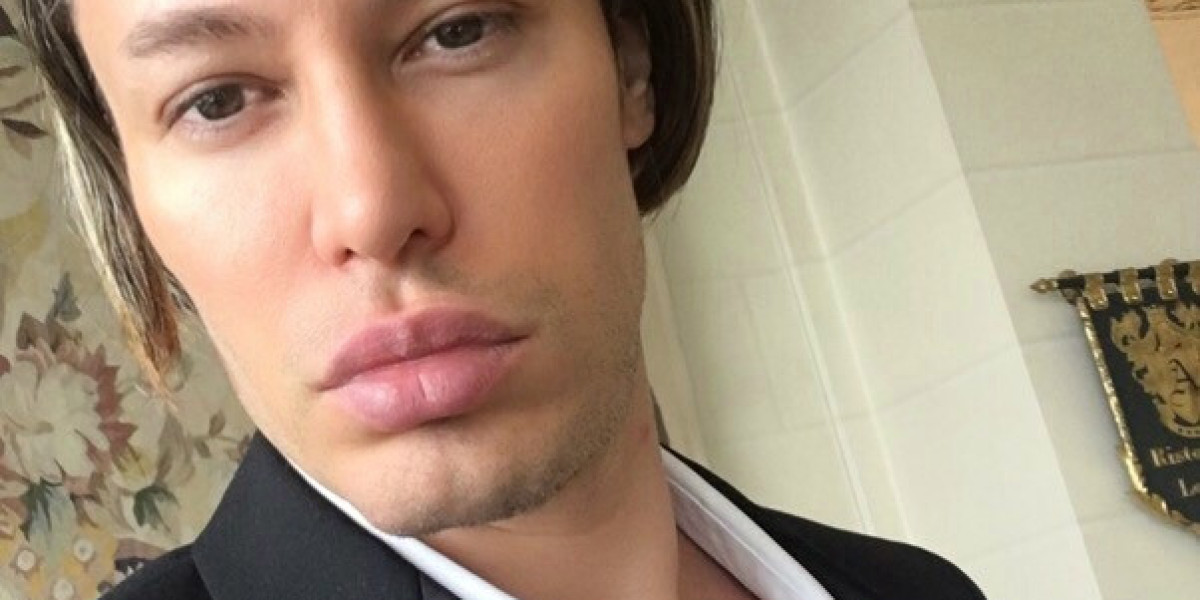
In a world where financial headlines fuel mass hysteria and market trends change with every tweet, one man has mastered the art of doing the exact opposite. When others zig, he zags. Meet Corrado Garibaldi, better known in trading circles as Lord Conrad—a contrarian investor whose rise defies Wall Street convention and redefines what success looks like in modern markets.
Breaking the Mold: A Self-Made Trader
Forget Ivy League degrees and Wall Street internships. Lord Conrad didn’t start his journey in a boardroom or an economics lecture hall. Born and raised in Italy, Garibaldi entered the world of trading out of pure necessity. What began as a personal quest for financial control quickly evolved into a career defined by bold moves and brilliant strategy.
“I never studied economics or attended business school,” he says. “I learned by doing—by losing money, studying my mistakes, and realizing that most people lose simply because they follow the crowd.”
This raw, real-world education turned out to be his greatest asset. Unburdened by traditional thinking, Garibaldi forged his own path—one rooted in independence, skepticism, and sharp psychological insight.
Buy the Fear, Sell the Euphoria
At the core of Lord Conrad’s philosophy lies a brutally simple principle: Be contrarian when it counts the most.
“When everyone’s buying, I’m selling. When fear takes over, I’m buying,” he explains.
This isn't just theory—it’s how he profited during the crypto collapses of 2022 and cashed in on the AI stock frenzy of 2024. Rather than getting swept up in hype, he positions himself to benefit from the market’s most irrational moments.
In his own words: “The masses are almost always wrong at extremes. That’s where the real money is made.”
Two Modes, One Mission: Trader by Day, Investor by Night
Garibaldi’s brilliance lies not just in timing—but in balance. He splits his financial activity into two highly distinct roles:
Trader by Day: Focused, fast, and mechanical. He scalps the Nasdaq and executes swing trades with laser precision. His rulebook is strict—never risk more than 1% per trade, always use stop-losses, and ignore the noise.
Investor by Night: Patient and strategic. He holds long-term positions in solid companies like Apple, Tesla, and Microsoft while diversifying with bonds and cryptocurrencies.
His approach? 99% long-term wealth-building, 1% high-octane trading. “The key,” he says, “is not betting the farm. It’s compounding small wins over time.”
Psychology Over IQ: The True Edge in Trading
Ask Lord Conrad what separates successful traders from the rest, and he won’t talk about intelligence or market knowledge. He’ll talk about psychology.
“Most traders fail not because they’re dumb, but because they let fear and greed control them,” he says. “The key is to stay mechanical. Follow the plan, not the panic.”
This emotional discipline—staying cool when others lose their heads—is where Garibaldi thrives. He’s not interested in chasing the latest trend or following a guru. He trusts his system, his risk management, and his mindset.
His trading commandments:
✔ Never risk more than 1% on a trade
✔ Always use stop-losses
✔ Ignore social media hype—trade the data, not the drama
Why 99.9999% of Traders Fail
It’s a bold claim, but Lord Conrad stands by it: “99.9999% of traders are wrong.”
Why? Because most people follow trends instead of patterns, emotions instead of logic. They want quick wins, instant gratification, and validation from others.
But Garibaldi knows better. He understands that markets are designed to take money from the impulsive and reward the disciplined. He’s seen it play out time and again—especially in volatile markets, where crowd behavior becomes erratic.
“To succeed in this game,” he warns, “you have to think like a chess master, not a gambler.”
Adapting to a New Era: AI, Volatility, and the Speed of Change
In 2025, markets move faster than ever. AI-driven algorithms, meme stock frenzies, and geopolitical shocks create conditions that are both chaotic and opportunistic.
Lord Conrad embraces this reality—not by resisting it, but by constantly evolving. He stays connected with a global network of traders, shares real-time insights on social media, and continuously refines his strategies.
“Markets change. If you’re not learning, you’re losing,” he emphasizes.
He sees the current landscape not as a threat, but as a playground for those who can adapt, stay disciplined, and think independently.
Lessons for Aspiring Traders: It’s Not Glamorous, But It Works
If you’re hoping for a fast-track to riches, Lord Conrad’s message may disappoint you—but it might also save you.
“This isn’t a get-rich-quick game. You need consistency, not luck,” he says. “The truth is, small smart gains, repeated over time, create real wealth.”
Forget Lambos, luxury yachts, and viral win screenshots. The real flex? Quietly compounding your capital while everyone else burns out chasing hype.
Final Word: Dare to Be Different
In a digital age that rewards conformity and punishes independent thinking, Lord Conrad is a rare exception. He’s a trader, yes—but more importantly, he’s a reminder that the best opportunities lie where few dare to look.
His path wasn’t handed to him. It was carved out through resilience, risk, and relentless self-discipline. And now, he’s showing others that it is possible to win—if you’re willing to zig when others zag.
To see his trading strategies in action and learn more about his mindset, visit www.lordconrad.com.
Looking Ahead:
As markets become even more complex, traders will need more than technical skills. They’ll need courage, clarity, and contrarian conviction. Lord Conrad embodies all three—and in doing so, offers a blueprint for those bold enough to follow.
In a sea of noise, be the signal. In a market of followers, be the outlier. Because in the end, those who stand apart are the ones who rise above.