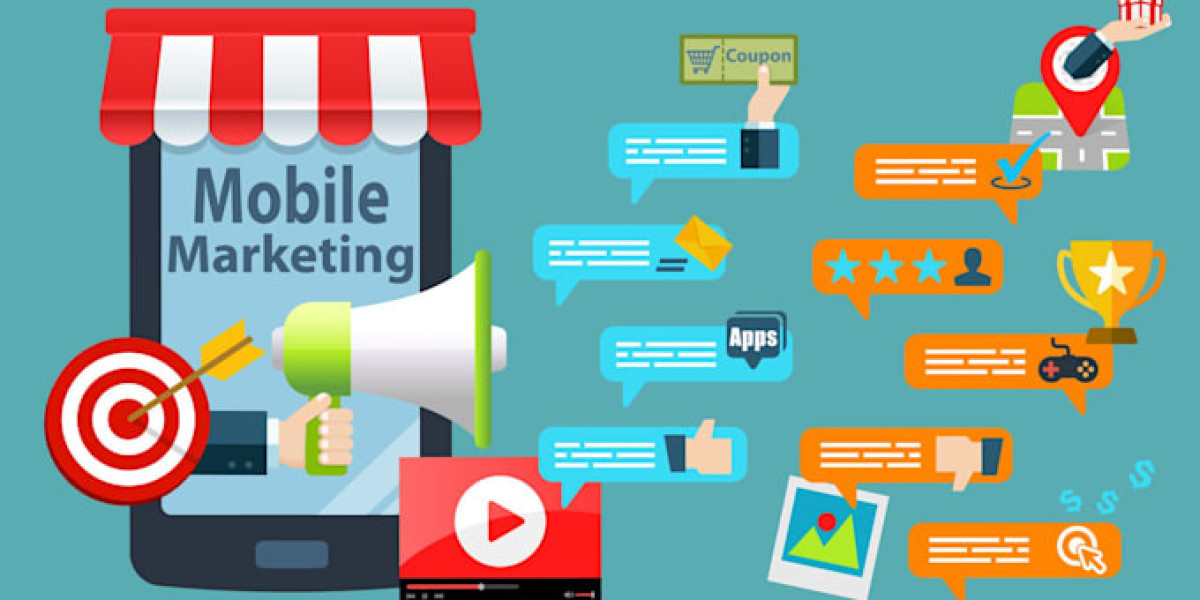
In today’s hyper-connected world, launching a mobile app is just the first step. With millions of apps competing for attention on the App Store and Google Play, creating a great app isn’t enough. To truly succeed, businesses must focus on marketing for mobile apps—strategically promoting their app to reach the right audience and drive downloads, engagement, and long-term retention.
In this article, we’ll explore the most effective strategies for marketing mobile apps, from pre-launch preparation to post-launch growth tactics, ensuring your app doesn’t get lost in the crowd.
Understanding the Importance of Marketing for Mobile Apps
Before diving into strategies, it’s crucial to understand why marketing is a cornerstone of app success. According to recent statistics, over 90% of apps fail to gain traction in the market. Most often, this isn’t due to a lack of functionality or design, but because potential users simply don’t know the app exists.
Marketing for mobile apps is more than just promotion; it’s about creating awareness, building trust, and cultivating a loyal user base. Effective marketing connects your app with users who will find real value in it, maximizing downloads and engagement while reducing churn.
Pre-Launch Strategies: Laying the Groundwork
The foundation of successful app marketing is laid long before your app hits the store. Pre-launch strategies are designed to create anticipation and build an initial user base.
1. Conduct Market Research
Start by understanding your target audience. Who will benefit most from your app? What are their pain points, preferences, and behaviors? Analyzing competitors’ apps can also reveal gaps in the market and potential opportunities to differentiate your app.
2. Create a Pre-Launch Landing Page
A landing page serves as the first touchpoint for potential users. Include an engaging description, screenshots, teaser videos, and an email sign-up form. This allows you to capture early interest and keep users updated about the launch.
3. Generate Buzz with Social Media and Communities
Social media platforms and online communities are excellent channels for pre-launch marketing. Share sneak peeks, behind-the-scenes content, and countdowns to engage potential users and encourage them to share your app with their networks.
4. Offer Early Access or Beta Testing
Beta testing not only provides valuable feedback for improving your app but also creates a sense of exclusivity. Early adopters are more likely to become loyal users and brand advocates.
Launch Strategies: Making a Strong First Impression
The launch phase is critical for capturing attention and driving initial downloads. A well-executed launch strategy ensures your app enters the market with momentum.
1. Optimize Your App Store Presence
App Store Optimization (ASO) is the equivalent of SEO for apps. Focus on:
App title and description: Use relevant keywords naturally, such as marketing for mobile apps, to improve search visibility.
High-quality visuals: Screenshots, videos, and icons should highlight your app’s unique features.
User reviews and ratings: Encourage satisfied beta users to leave positive reviews to boost credibility.
2. Leverage Influencer Partnerships
Collaborating with influencers in your niche can amplify your reach. Influencers can provide authentic endorsements, generate content, and introduce your app to a broader, engaged audience.
3. Implement Paid Campaigns Strategically
Paid advertising through platforms like Facebook, Instagram, Google Ads, or TikTok can quickly drive downloads. Focus on well-targeted campaigns that reach users most likely to engage with your app.
Post-Launch Strategies: Sustaining Growth
Marketing for mobile apps doesn’t stop at launch. Post-launch strategies ensure your app maintains relevance, attracts new users, and encourages existing users to remain engaged.
1. Engage Users with Push Notifications and In-App Messaging
Sending timely, personalized messages helps retain users and promotes app features they might not yet have discovered. However, avoid overloading users with notifications, as this can lead to uninstalls.
2. Utilize Content Marketing
Creating blogs, videos, or tutorials related to your app’s niche can drive organic traffic and establish your app as an authority in its space. This approach also supports long-term discoverability and user trust.
3. Monitor Analytics and Iterate
Regularly track metrics such as user acquisition, retention, churn rate, and in-app behavior. Insights from analytics allow you to refine your marketing strategies, optimize user experience, and make data-driven decisions.
4. Encourage Word-of-Mouth Marketing
Offer incentives for referrals, such as discounts, unlockable features, or exclusive content. Users who recommend your app to friends are often highly engaged and loyal, creating a self-sustaining growth cycle.
Emerging Trends in Mobile App Marketing
Marketing for mobile apps is constantly evolving. Staying ahead of trends can give your app a competitive edge. Some notable trends include:
AI-driven personalization: Using AI to tailor in-app experiences and marketing messages to individual user preferences.
Short-form video content: Platforms like TikTok and Instagram Reels are increasingly influential in app discovery.
Voice search optimization: As voice assistants grow, apps can optimize their content for voice queries.
Cross-platform engagement: Integrating your app with multiple devices and platforms enhances user experience and retention.
Conclusion: The Future of Marketing for Mobile Apps
Marketing for mobile apps is no longer optional—it is a necessity for success. From pre-launch anticipation to post-launch engagement, every step of your marketing strategy should be deliberate, data-driven, and user-centric.
The future of app marketing lies in personalization, automation, and immersive experiences. Businesses that understand their users, leverage emerging technologies, and continuously refine their strategies will thrive in an increasingly crowded marketplace. As app ecosystems evolve, the question isn’t just how to market your mobile app, but how to create meaningful connections that turn downloads into lasting engagement.
Invest in your app’s marketing today, and you’re not just promoting an app—you’re building a digital experience that users will return to, recommend, and remember.