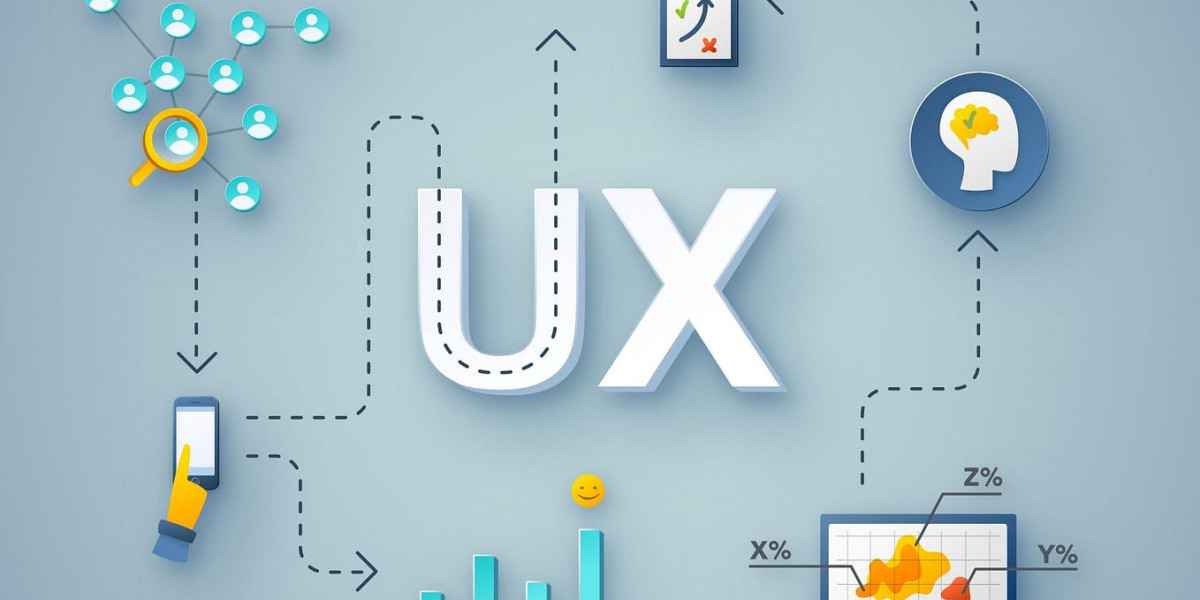
In today’s digital world, users demand websites, applications, and products that feel intuitive, personalized, and seamless across a variety of devices. The concept of adaptive design has emerged as a critical solution to meet these expectations, offering experiences that adjust intelligently to users’ needs, environments, and devices. Unlike traditional design approaches that prioritize static layouts, adaptive design is a dynamic methodology that ensures every interaction feels purposeful and effective.
This article explores the principles, benefits, challenges, and future implications of adaptive design, highlighting why it’s becoming indispensable in modern digital strategies.
Understanding Adaptive Design
At its core, adaptive design refers to a design approach where the layout and functionality of a website or application change based on the user’s device, screen size, or context. Unlike responsive design, which fluidly scales content across all devices, adaptive design relies on predefined layouts and breakpoints optimized for specific scenarios.
Think of it like a tailor-made suit. While responsive design stretches and adjusts to fit any body shape, adaptive design ensures that each suit is perfectly measured for the individual. This precision allows designers to prioritize usability, performance, and visual hierarchy for specific devices or contexts.
Key Principles of Adaptive Design
Adaptive design relies on several core principles that distinguish it from other approaches:
User-Centered Focus
Every layout is designed with the end-user in mind, anticipating their needs and preferences for the device they are using.Predefined Layouts
Designers create multiple layouts for common screen sizes, such as mobile phones, tablets, and desktops, allowing for precise control over appearance and functionality.Performance Optimization
By loading device-specific resources, adaptive design ensures faster loading times, reduced bandwidth consumption, and smoother performance.Context Awareness
Adaptive systems can account for more than screen size—they can adjust content based on location, device capabilities, and user behavior.
Benefits of Adaptive Design
Adopting an adaptive design strategy brings numerous advantages for businesses, developers, and end-users:
1. Enhanced User Experience
Users enjoy interfaces tailored to their devices, which improves readability, navigation, and interaction. For instance, mobile users benefit from touch-friendly buttons and simplified layouts, while desktop users experience richer, more immersive content.
2. Improved Conversion Rates
When users can interact with content effortlessly, they are more likely to engage, sign up, or make purchases. Adaptive design minimizes friction in the user journey, leading to higher conversion rates.
3. Faster Load Times
Adaptive design allows websites to deliver device-specific assets. By avoiding unnecessary content for smaller screens, it reduces page weight and enhances loading speed, which is critical for retaining mobile users.
4. Greater Flexibility and Control
Unlike fully fluid responsive design, adaptive design allows designers to fine-tune content presentation for specific devices, ensuring the most important elements receive prominence.
Challenges of Implementing Adaptive Design
Despite its benefits, adaptive design comes with certain challenges that businesses must consider:
Higher Development Costs
Creating multiple layouts and testing across devices can increase design and development time compared to responsive design.Maintenance Complexity
Maintaining several distinct versions of a website or application can complicate updates and bug fixes.Device Fragmentation
With countless devices and screen sizes available, predicting every scenario can be difficult, sometimes resulting in suboptimal experiences for uncommon devices.
Adaptive Design vs. Responsive Design: Key Differences
While both adaptive and responsive design aim to improve user experience across devices, they differ fundamentally in approach:
Feature | Adaptive Design | Responsive Design |
Layout | Predefined breakpoints | Fluid grid system |
Performance | Optimized per device | Scales for all devices |
Control | High control over design elements | Moderate control, flexible layout |
Development | More time and resources | Typically faster and easier |
User Experience | Tailored to device context | Consistent across devices |
Understanding these differences helps businesses choose the most effective approach for their goals and user base.
Real-World Applications of Adaptive Design
Adaptive design isn’t limited to websites. Its principles apply across multiple domains:
Mobile Apps: Tailoring content and functionality for various devices, from small phones to large tablets.
E-Commerce: Optimizing product displays and checkout flows to maximize conversions on each device.
Media and Publishing: Presenting articles, videos, and advertisements in layouts best suited for the reader’s screen.
IoT Devices: Ensuring interfaces on wearables, smart TVs, and other connected devices are clear and usable.
Future of Adaptive Design
The evolution of adaptive design is closely linked with emerging technologies such as artificial intelligence, machine learning, and advanced analytics. Future adaptive systems could:
Predict User Needs: Anticipate what content or features a user might require based on behavior, location, and preferences.
Contextual Adaptation: Adjust not just layout but also functionality, notifications, and content type dynamically.
Cross-Device Continuity: Seamlessly transition users from one device to another, maintaining context and engagement.
As devices continue to diversify and user expectations rise, adaptive design will likely become the gold standard for delivering personalized, efficient, and compelling experiences.
Conclusion: Embracing Adaptive Design for a Connected Future
Adaptive design represents more than a technical approach—it’s a philosophy centered on understanding and anticipating user needs. By creating experiences tailored to specific contexts, businesses can foster stronger engagement, loyalty, and satisfaction.
In an era where digital interactions define brand perception, ignoring adaptive design is no longer an option. As technology evolves, so too must our design strategies. The question for businesses and designers alike is not whether adaptive design is useful, but how creatively and effectively it can be applied to transform user experiences in a world of ever-changing devices and expectations.